
As warm summer days drift into chilly autumn nights, speech-language pathologists (SLPs) may feel stressed by the challenges of preparing for a new school year. From organizing their classrooms to creating original speech therapy materials, in-person and online speech therapists often feel overwhelmed when making new speech therapy plans for their caseloads.
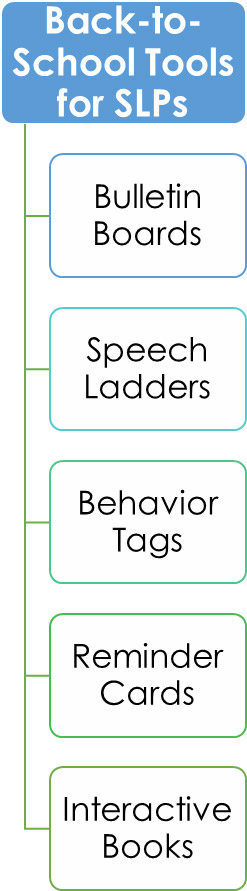
However, our award-winning team of experienced SLP school staffing professionals is eager to share their five top games, inspiring books, therapy activities, useful hacks, and classroom supplies. We’re confident that these five tried-and-tested back-to-school tools and activities will help any SLP thrive during the first few weeks (and months or years!) of therapy.
- Bulletin Boards
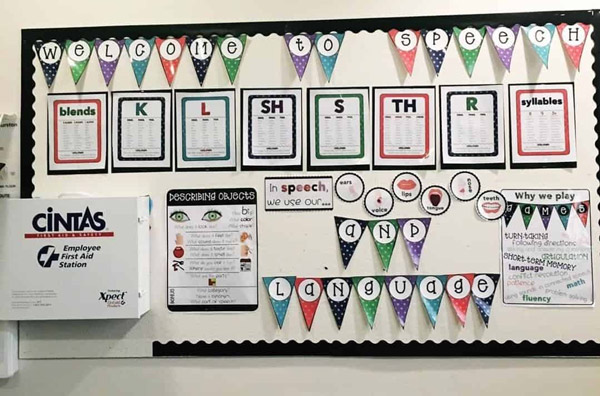
Speech therapy bulletin boards are a visually compelling classroom addition. They add bright colors, aesthetic patterns, delightful decorations, and practical FUNctionality to any therapy practice. Bulletin boards are also fantastic tools for interactive activities, such as speech therapy games targeting speech and language goals.
Bulletin boards can also be used as a source of motivation and accountability, such as an inspirational board that shares positive affirmations and encouragement notes. If you’re a craft-loving SLP, we suggest decorating your speech therapy room at the beginning of the school year so the remaining days can be more stress-free!
- Speech Ladders
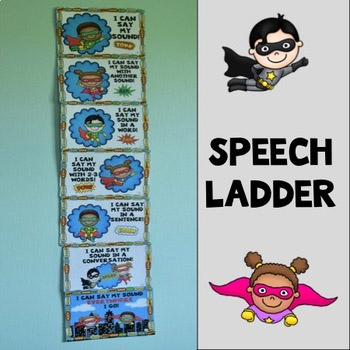
Educational therapists and teachers use speech ladders as a practical visual tool to demonstrate the progression of articulation therapy to students, colleagues, and family members. As students achieve their goals, they can advance their names up the ladder.
A fun tool that can also function as a classic board game, speech ladders are an excellent reminder of the skills and activities that students must master before graduating from speech. The good news for educational therapists on a budget is that there are many websites for educational professionals that provide printable resources like speech ladders for free!
- Behavior Tags
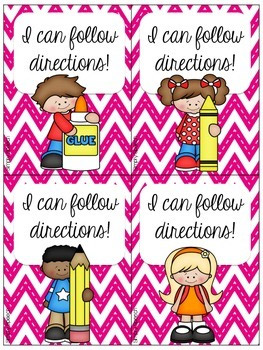
Designed to reinforce self-regulation and positivity during speech therapy sessions, behavior tags are an uplifting tool that is a favorite among educators, therapists, and parents. First, provide each student with a lanyard. Then, print, laminate, and cut the cards, punching a hole at the top of the cards to attach them to a lanyard.
Once students demonstrate target behavior and reach a goal, such as following directions or waiting quietly in line, they can add a behavior tag to their lanyards. The following behavior tag lines can be used to create behavior tags:
- I can say my /v/ sound
- I met my final consonant deletion goal
- I have perfect attendance
- I am a pronoun pro.
- I met my goal today.
- Reminder Cards
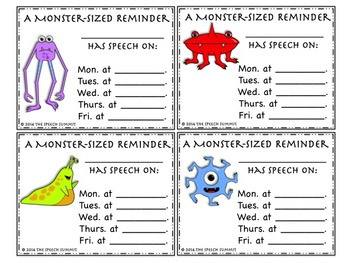
If students struggle to attend speech therapy sessions at their scheduled times, we suggest using these whimsical, creative reminder cards. Providing a visual reminder of the therapy sessions’ date and time can help students, teachers, therapists, and other school professionals stay punctual, focused, and on schedule.
These fun and functional cards can continually reinforce positive communication skills used during therapy sessions. Speech reminder cards can also give students a visual reminder of speech and language cues to improve their communication skills and ensure that they correctly articulate speech sounds.
To make the cards more engaging and memorable, try including music and games, familiar television shows, and kid-approved fictional characters, such as monsters from Monster’s Inc., sea critters from SpongeBob SquarePants, or witches and wizards from the Harry Potter series–the possibilities are truly endless!
- Interactive Books
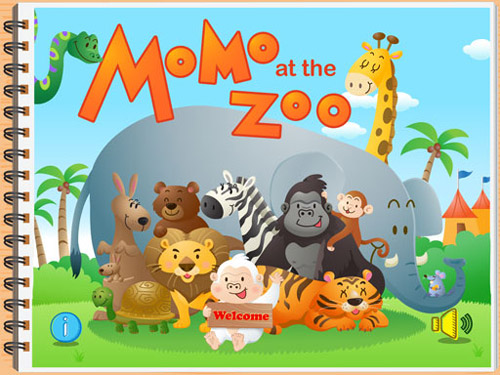
Whether educators use interactive storybooks as a jumping-off or focal point, children’s literature is ideal for speech therapy. Our pediatric therapy service experts agree that interactive books are practical because they ensure that children’s hands stay busy while their minds remain focused on the story.
Interactive books also provide a variety of visual cues, which is an excellent way to engage non-verbal children, prepare them to become successful, and more readily accomplish their future goals.
Educators and SLPs, which of these is your favorite back-to-school activity? We want to know. Please share your thoughts in the comments below!
Want to get activities and apps sent to your inbox monthly? Visit txsource.com/newsletter.
Looking for your next educational therapy or teaching position? Check out our current roles: https://jobs.txsource.com.