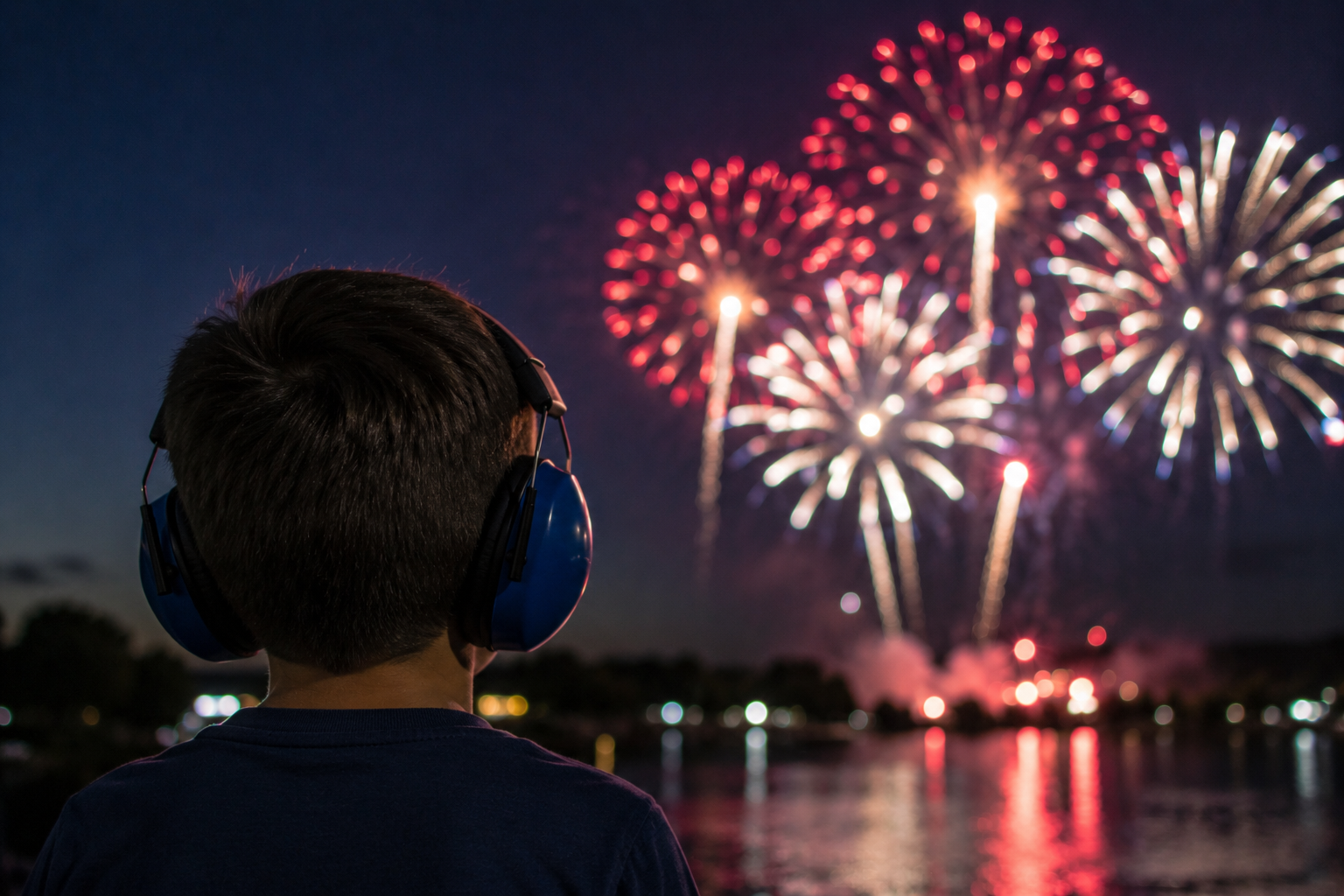
The Fourth of July brings opportunities for families to celebrate with parades, fireworks, festivals, and community gatherings. While these traditions can be exciting, they can also present significant sensory challenges for children with autism, ADHD, sensory processing differences, anxiety, and other developmental or behavioral needs.
Educators and therapists play an important role in helping families anticipate potential challenges and develop strategies that support participation while reducing stress. By proactively addressing sensory needs, providers can help children navigate holiday celebrations more successfully and build positive experiences.
Help Families Prepare Ahead of Time
Many children benefit from knowing what to expect before attending holiday events. Encourage families to discuss upcoming celebrations in advance and introduce the sights, sounds, and activities children may encounter.
Consider recommending:
- Visual schedules outlining the day’s events
- Social stories about attending parades or fireworks displays
- Videos or photos of previous celebrations
- Conversations about coping strategies if things feel overwhelming
Preparation can reduce uncertainty and help children feel more confident when encountering new or highly stimulating environments.
Discuss Common Sensory Triggers
Fourth of July festivities often involve multiple sensory inputs occurring simultaneously. Helping families identify potential triggers can make it easier to plan accommodations.
Common sensory challenges may include:
- Loud fireworks and sirens
- Bright flashing lights
- Large crowds and close physical proximity to others
- Strong smells from food, grills, or smoke
- Changes in routine and sleep schedules
- Increased heat and outdoor exposure
Encourage caregivers to consider which sensory experiences are most challenging for their child and plan accordingly.
Recommend Sensory Supports
Help families create individualized sensory support plans based on a child’s unique needs.
Some helpful accommodations may include:
- Noise-reducing headphones or ear protection
- Sunglasses, hats, or visors for visual sensitivities
- Fidget tools or calming sensory items
- Preferred comfort objects
- Access to familiar snacks and hydration
Remind families to introduce and practice using sensory supports before the event whenever possible.
Encourage Scheduled Sensory Breaks
Many children can participate more successfully when opportunities for regulation are built into the day. Rather than waiting until a child becomes overwhelmed, encourage families to proactively schedule breaks.
This could include:
- Taking walks away from crowded areas
- Spending time in a quiet indoor space
- Using calming sensory activities
- Returning to the car for a brief reset
These breaks can help prevent sensory overload and allow children to re-engage when they are ready.
Offer Alternatives to Traditional Fireworks
Fireworks are often the most anticipated (and most challenging!) part of Independence Day celebrations. For some children, the unpredictability, volume, and intensity of fireworks can be distressing.
You can help families explore alternatives such as:
- Watching fireworks from a greater distance
- Viewing fireworks from inside a vehicle
- Streaming fireworks displays at home
- Attending community drone light shows
- Participating in other holiday traditions that do not involve loud noises
Supporting families in finding flexible alternatives can help ensure celebrations remain positive and accessible.
Teach Families to Recognize Signs of Sensory Overload
Educators and therapists are often well-positioned to help caregivers identify early indicators of dysregulation.
Signs may include:
- Covering ears or eyes
- Increased movement-seeking or avoidance behaviors
- Withdrawal from activities
- Irritability or emotional escalation
- Difficulty following directions
- Verbal expressions of discomfort
Encourage families to respond to these signs early by reducing sensory demands and offering opportunities for regulation.
Conclusion
As Fourth of July celebrations approach, educators and therapists have an opportunity to help families navigate the holiday with confidence. By encouraging proactive planning, identifying potential sensory triggers, and recommending individualized supports, providers can help children participate in festivities in ways that feel safe, comfortable, and meaningful. Ultimately, a sensory-friendly approach is not about limiting experiences. It is about creating opportunities for children to engage, connect, and celebrate while honoring their unique needs.
Looking for more practical strategies to support students year-round? Get expert resources, therapy tips, and special education insights delivered to your inbox each month. Sign up at txsource.com/newsletter.