Handwriting is a critical skill for students but practicing it doesn’t have to be boring.
1. Use Multisensory Tools
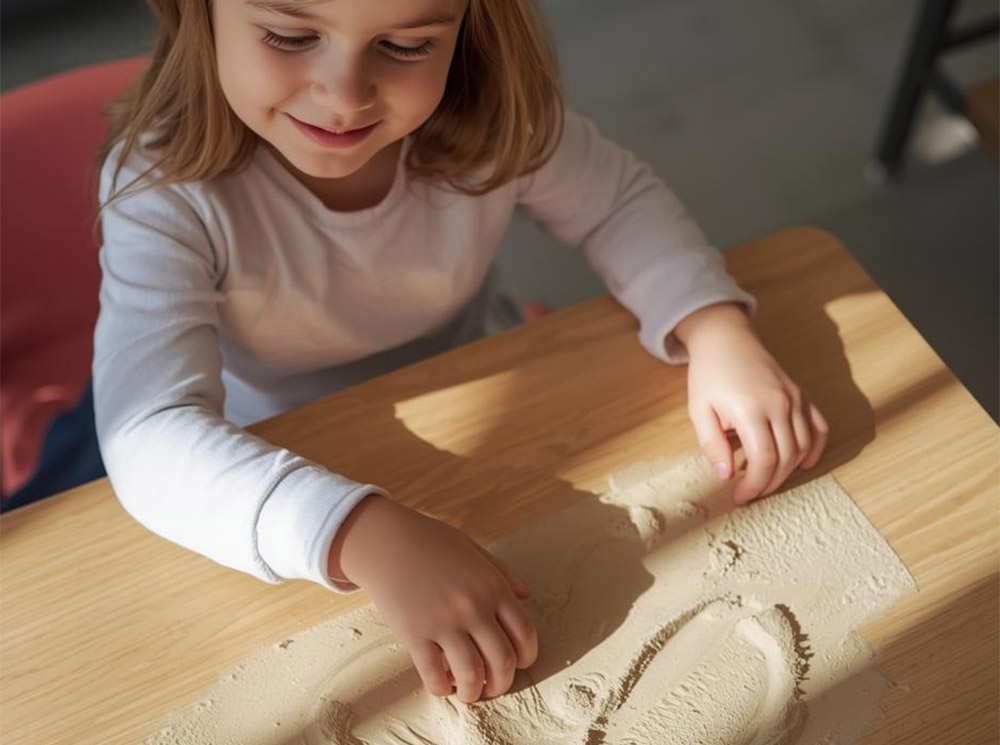
Swap paper for tactile surfaces. Have students trace letters in sand, shaving cream, rice trays, or textured mats. This multisensory approach strengthens fine motor skills, reinforces letter shapes, and makes practice more engaging.
2. Turn it Into a Game
Transform handwriting into a playful challenge. Try bingo, letter scavenger hunts, or dice games where each roll determines a letter or word to write. Games motivate students to participate more, while making repetition feel fun and interactive.
3. Add Color and Creativity
Let students decorate letters, use colorful markers, or create art around their writing. Creative elements keep students engaged, reinforce proper letter formation, and make practice feel like an art activity rather than a task.
4. Try Different Writing Tools and Surfaces
Switch it up by using whiteboards, chalkboards, laminated sheets with dry-erase markers, or even sticky notes. Different surfaces and tools make handwriting practice novel, which helps maintain attention and improves motor control.
5. Practice Through Real-Life Activities
Incorporate handwriting into meaningful, everyday tasks. Have students write notes, labels, short messages, or classroom signs. Practicing in real contexts helps students see the purpose of handwriting while reinforcing skills in a functional and motivating way.
By using these playful strategies, therapists and educators can turn handwriting practice into a creative, engaging, and meaningful activity that helps students build confidence and essential skills. Incorporating variety, games, and real-life practice can make handwriting both enjoyable and effective.
Ready to take the next step in your school-based career? Explore our current openings: jobs.txsource.com